
Signage Materials, Compared
Choosing the Right Sign Type: LED, Acrylic, or Vinyl for Your Harare Storefront
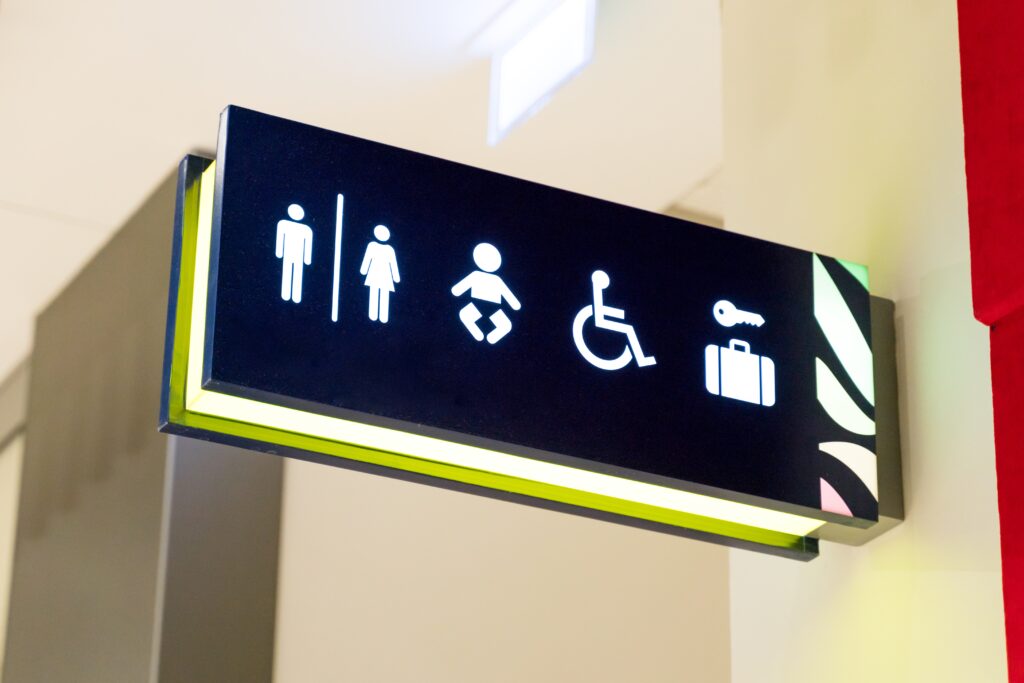
Choosing the Right Sign Type: LED, Acrylic, or Vinyl for Your Harare Storefront
Written by Donkudzie, Solid Arts Creativity Studio — printing, branding, and signage in Harare since 2017.
Quick answer: if your storefront needs to stand out after dark or along a busy road at night, LED wins. If you want a polished, premium indoor sign — reception area, office entrance, a branded wall feature — acrylic is the better finish. If you need something flexible, affordable, and easy to update — window graphics, a temporary promotion, a banner for an event — vinyl is usually the right call.
That’s the short version. The longer version is that these three aren’t really competing for the same job most of the time — they’re suited to different parts of a storefront’s signage, and plenty of businesses end up using more than one. Here’s how to tell which one your specific sign actually needs.
What's the Real Difference Between LED, Acrylic, and Vinyl Signage?
LED signage is illuminated — light boxes, LED-lit channel letters, or digital displays that stay visible after dark. Acrylic is a rigid plastic sheet, typically used for a clean, glass-like finish on wall signs, directories, or lobby signage, with or without lighting behind it. Vinyl isn’t a sign type so much as a material — cut or printed graphics applied to windows, walls, vehicles, or banners, used for everything from a shopfront nameplate to a full building wrap.
Each one solves a different problem. LED solves visibility in low light. Acrylic solves a premium, finished look for a static sign. Vinyl solves flexibility — it goes almost anywhere, costs less to produce, and is the easiest of the three to replace or update when your promotion, hours, or branding changes.
When Does an LED Sign Actually Make Sense?
When your storefront gets real foot or vehicle traffic after dark, or your signage needs to be seen from a distance along a busy road. A light box or illuminated channel letters keep working as a sales tool long after the sun goes down — something a standard wall sign simply can’t do.
LED is also the more practical long-term choice once you account for upkeep: LED modules run on a fraction of the power older illuminated signage needed, last for tens of thousands of hours of use, and a failed section can usually be swapped out rather than requiring a full specialist repair. The trade-off is a higher upfront cost and the need for a stable power supply — worth factoring in given how often Harare storefronts deal with load-shedding, since an LED sign is only as useful as the power behind it.
When Does Acrylic Win?
When the sign is indoors, or somewhere sheltered, and the finish matters as much as the message. Acrylic has a smooth, almost glass-like surface that reads as more premium than printed vinyl on a flat board — which is why it’s the common choice for reception signage, office entrances, directory boards, and branded wall features where customers are standing close enough to notice the finish.
Acrylic isn’t the strongest performer outdoors over many years — direct sun and heat can cause yellowing or warping over time without the right UV-stable finish — so it’s best treated as an indoor or sheltered-location material rather than a primary exterior sign, unless it’s specifically treated for outdoor use.
When Does Vinyl Win?
When you need something flexible, fast to produce, and easy to change. Vinyl works on almost any surface — windows, walls, vehicles, banners — and handles both short-term promotional use and longer-term exterior signage, depending on the grade used. It’s also the most budget-friendly of the three, which makes it the sensible default for anything that might need updating in a year or two: new hours, a rebrand, a seasonal promotion.
The trade-off is that vinyl on its own doesn’t light up and doesn’t have acrylic’s premium feel — it’s a flexible, practical material rather than a statement piece. For a lot of storefronts, vinyl graphics on the glass or walls alongside an illuminated sign above the door covers both jobs at once.
What Actually Drives the Cost Between the Three?
Size and complexity matter for all three, but the bigger driver is what each material requires to produce and install. Vinyl is the least labor-intensive — it’s cut or printed and applied, with no electrical work involved. Acrylic adds the cost of a rigid substrate and precision cutting, and more if it’s backlit. LED signage carries the highest upfront cost because it includes the electrical components, the enclosure, and the installation work that goes with running power to an illuminated sign — but it’s also the one most likely to keep earning its cost back every night it stays lit.
There isn’t a single number that applies to every job — size, finish, and location all move the price. Request a quote with your sign type and rough dimensions, and you’ll get a real number instead of a guess.
What About Harare's Sun, Dust, and Power Situation?
Local conditions change the calculation a little. Strong, near-constant sun means any exterior sign — vinyl included — needs a UV-stable finish to avoid fading within a year or two. Dust and seasonal rain mean materials and fixings need to handle more than a clean, dry showroom would suggest. And for anything illuminated, it’s worth planning around load-shedding from the start — a backup power option or simply accepting that an LED sign goes dark during outages is a conversation worth having before you install it, not after.
None of this rules any material out. It just means the right choice accounts for how the sign will actually sit in Harare’s climate and power situation, not just how it looks in a catalogue photo.
Questions to Ask Before You Choose
A few honest questions narrow this down fast:
- Does this sign need to work after dark? If yes, LED is worth the extra upfront cost.
- Is it indoors, outdoors, or sheltered? Acrylic suits indoor and sheltered locations best; vinyl and properly treated materials handle full outdoor exposure.
- How likely is this to change in the next year or two? The more likely it is to need updating, the more vinyl’s flexibility and lower cost matter.
- What’s the budget for this specific sign, versus the rest of your signage? It’s common to use LED for the one sign that needs to be seen from the road, and vinyl or acrylic for everything else.
So — Which Sign Type Should You Choose?
If visibility after dark matters most, start with LED. If you want a premium, finished look somewhere indoors or sheltered, go acrylic. If you need flexibility, speed, and a lower price — especially for something likely to change — vinyl is the practical choice. Many Harare storefronts end up using a mix: an illuminated sign above the door, vinyl graphics on the glass, maybe an acrylic directory inside.
Not sure which combination fits your space and budget? That’s exactly the kind of question worth a direct conversation rather than more research. Request a quote from Solid Arts and tell us what you’re trying to achieve — we’ll recommend the sign type that actually fits, not just the one that’s easiest to sell.
LED vs. Acrylic vs. Vinyl: Quick Comparison
| LED | Acrylic | Vinyl | |
|---|---|---|---|
| Visible after dark | Yes — its main strength | Only if backlit | No, unless paired with lighting |
| Best setting | Storefronts needing night/road visibility | Indoor or sheltered, premium finish | Almost anywhere — windows, walls, vehicles, banners |
| Upfront cost | Highest — includes electrical work | Mid — more if backlit | Lowest |
| Outdoor durability | Strong, built for exterior use | Best indoors; needs UV treatment outdoors | Good with the right grade and UV-stable finish |
| Flexibility to update later | Lower — more involved to change | Lower — cut for a specific size/design | Highest — easiest and cheapest to replace |
| Power dependent | Yes — worth planning around load-shedding | Only if backlit | No |
Already know which sign type fits your storefront? Request a quote from Solid Arts for a real price on your size and design. Still deciding between indoor and outdoor placement first? Our indoor vs outdoor signage guide is a good next step, and if you’re still choosing who to trust with the installation, see our guide on choosing a signage company in Harare.
FAQ: LED, Acrylic, and Vinyl Signage
Is LED signage worth the extra cost for a small storefront?
It depends on how much night or low-light traffic passes your storefront. If customers mainly visit during the day, the extra cost may not pay for itself as quickly. If your location gets real evening foot or vehicle traffic, an illuminated sign keeps working as a sales tool long after a plain sign stops being visible.
Does acrylic signage fade or yellow in the sun?
It can, over time, without a UV-stable finish — acrylic is generally better suited to indoor or sheltered placements than full outdoor exposure. If you want that glass-like finish outdoors, ask specifically for UV-treated acrylic rather than a standard sheet.
How long does vinyl signage last outdoors in Harare?
It depends on the grade of vinyl and the finish used — a properly UV-stable, outdoor-rated vinyl holds up far longer under direct sun than a standard indoor-grade material. Ask us for the right grade for your specific location and exposure.
Can I combine LED, acrylic, and vinyl on the same storefront?
Yes, and it’s a common approach — an illuminated sign above the door for night visibility, vinyl graphics on the windows or walls for flexibility, and an acrylic directory or feature sign indoors for a premium finish.
What happens to an LED sign during a power cut?
It goes dark unless it’s on a backup power source. It’s worth planning for load-shedding before installation — either with a backup option or by accepting that the sign won’t be lit during outages — rather than discovering it afterward.
Which sign type is easiest to update later?
Vinyl, by a wide margin. It’s the fastest and cheapest of the three to replace, which makes it the practical choice for anything likely to change — hours, promotions, or a future rebrand.
Final Thoughts
There’s no single best sign material — only the one that matches how your storefront is actually used, day and night, indoors and out. Match the material to the job and you usually end up needing more than one, not choosing a single winner.
If you’re planning signage for a new or existing storefront and still weighing the options, get a quote from Solid Arts and we’ll recommend what actually fits your location, budget, and how long you need it to last. Already settled on signage and thinking about the rest of your branding? Our graphic design team can make sure your signage matches everything else carrying your logo, and our full signage range covers everything from wall signs to vehicle branding under one project.