
Signage Buying Guide
Indoor vs Outdoor Signage in Harare: How to Choose the Right Sign (and the Right Company)
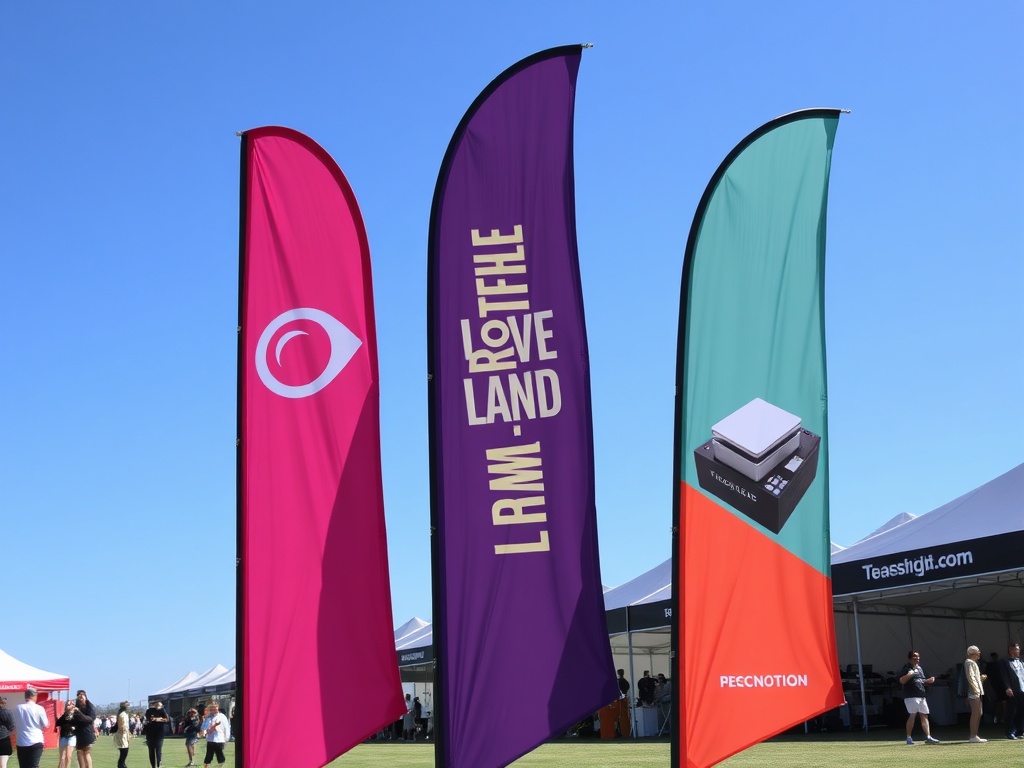
Indoor vs Outdoor Signage in Harare: How to Choose the Right Sign (and the Right Company)
Written by Donkudzie, Solid Arts Creativity Studio — printing, branding, and signage in Harare since 2017.
There’s no single “best” sign. There’s only the right sign for where it’s going, what it has to survive, and who it needs to catch the eye of.
Outdoor signage has to survive Harare’s sun and its rainy season, so it needs UV-stable inks and weatherproof materials — even if that costs more upfront than an indoor-grade sign. Indoor signage never fights the weather at all, so that budget can go into finish and design instead. An illuminated sign earns its keep on a shopfront that gets evening foot traffic; a plain wall sign is usually the more sensible choice for daytime-only visibility. And the company you choose matters almost as much as the sign itself — ask what materials they’re proposing before you ask about price, because a sign that fades or peels within a year costs you twice.
That’s the short version. Below is the fuller one — the actual questions worth working through before you commit to a design or a supplier.
What’s the Real Difference Between Indoor and Outdoor Signage?
It comes down to what the sign has to survive, not just where it hangs. Indoor signage — foam board, acrylic, indoor-grade vinyl — never deals with sun, rain, or wind, so lighter, less weather-resistant materials are perfectly fine and usually more affordable.
Outdoor signage has to hold up to all three, so it’s built from tougher stock: PVC and vinyl banners, corflute, aluminium composite panels, and weatherproof fabrics, printed with UV-stable inks so colors don’t wash out in the sun. Put an indoor-grade sign outside and it will fade, warp, or peel far sooner than it should — that’s the single most common mistake businesses make when they order signage on price alone.
What Should Outdoor Signage in Harare Actually Be Made Of?
Harare gets strong, near year-round sun and a distinct rainy season roughly from November through March, with everyday dust and wind the rest of the year. Outdoor signage here needs UV-stable inks or laminates so colors don’t fade under that sun, a genuinely weatherproof substrate that won’t warp or delaminate once the rains start, and solid mounting hardware that can take wind load without working loose.
None of that is exotic — it’s standard outdoor signage practice anywhere with strong sun and a real wet season. The mistake isn’t a lack of suitable material; it’s a supplier quoting indoor-grade stock for an outdoor job to hit a lower price.
What Indoor Signage Options Make Sense for an Office, Shop, or Reception?
Indoor signage is where you can spend more of the budget on how it looks rather than how it survives. Acrylic reception signs and dimensional lettering give a clean, professional first impression in a lobby. Wayfinding and directional signs keep visitors and staff moving through a building without having to ask. Window vinyl turns glass into branding and promotional space without needing a physical sign at all.
None of these need to be UV-stable or waterproof, which is part of why they’re generally the more affordable side of a signage project — the constraint that drives up outdoor signage cost simply isn’t there indoors.
Light Box or Plain Wall Sign — Which Do You Actually Need?
A light box is illuminated from within, so it stays visible and eye-catching after dark — worth it if your business gets real evening foot traffic: a restaurant, a pharmacy, a shop on a street that’s still busy after sunset. A standard wall sign isn’t lit, which usually makes it the more affordable option, and it does the job perfectly well for a business that’s mostly a daytime operation.
The honest way to decide: think about when people actually walk past your storefront, not just when you’re open. If that’s mostly daylight hours, a wall sign covers you. If a meaningful share of your foot traffic happens after dark, a light box earns its keep.
Banner, Wall Sign, or Vehicle Branding — How Do You Pick?
Match the format to how long you need it up and where it needs to travel. A vinyl banner is right for an event, a promotion, or a temporary shopfront message — built to survive a few weeks or months outdoors, not years. A pull-up banner is the portable version: exhibitions, trade shows, in-store promotions, packed away and reused for the next one. A wall sign is the permanent fixture — your actual shopfront identity, built to last for years. Vehicle branding turns a company car or delivery van into a moving advert, working for you every time it’s on the road instead of only at one fixed address.
Most businesses end up needing more than one of these, not just one — a permanent wall sign at the shop, a banner for the next promotion, and vehicle branding for whatever’s already on the road.
What Should You Actually Look for When Choosing a Signage Company in Harare?
Start with the questions that actually predict whether the sign holds up, not just how it looks in a mockup. Does the supplier ask where the sign is going and how exposed it’ll be before recommending a material — or do they quote the same stock for every job regardless of location? Can they show you real signage they’ve installed, not just render images? Do they handle design, production, and installation as one project, or are you coordinating three different people?
A supplier that skips straight to a price without asking about location, lifespan, or illumination is usually the one that’ll hand you an indoor-grade sign for an outdoor job. At Solid Arts, that conversation — what it is, where it’s going, how long it needs to last — happens before any material gets chosen, and it’s the same team handling the artwork through to the finished, installed sign.
What Should Be in a Full Signage & Branding Rollout?
Signage rarely sits on its own — most businesses that need a shopfront sign also need vehicle branding, banners for events, and printed material that all match. Treating those as one connected project, rather than separate jobs with separate suppliers, is what keeps your colors, fonts, and logo usage consistent everywhere a customer sees your brand, instead of drifting slightly between the sign outside and the banner at your next stall.
The same logic applies if you’re branding a team, not just a building — a lot of Harare businesses handle signage and corporate wear as two completely separate projects with two separate suppliers, which is exactly how a brand ends up looking slightly different from the shopfront to the staff uniform.
How Do You Brief a Signage Supplier So the Quote Is Actually Accurate?
Bring four things to the conversation: what the sign is (wall sign, light box, banner, vehicle), where it’s going (indoor or outdoor, and how exposed), roughly what size, and your logo file or brand guidelines. A supplier who can work with that should be able to recommend a material and give you a real quote — not a rough range — on the spot.
Standard turnaround at Solid Arts is 3 days after you approve your design or visual, the same policy that applies across every job. Signage specifically can run longer than that depending on the complexity of the job — a multi-panel install, an illuminated sign, or a larger run all take more time than a single wall sign — so confirm a specific timeline as part of your quote rather than assuming every sign takes the same three days.
Indoor vs Outdoor Signage: Quick Comparison
| Indoor Signage | Outdoor Signage | |
|---|---|---|
| Typical materials | Foam board, acrylic, indoor-grade vinyl | PVC/vinyl banner, corflute, aluminium composite, weatherproof fabric |
| Needs to survive | Nothing — sheltered from weather | Sun, rain, wind, dust — year-round exposure |
| Ink/finish requirement | Standard inks are fine | UV-stable inks and weatherproof laminates |
| Common examples | Reception signs, wayfinding, window vinyl, office signage | Wall signs, light boxes, banners, vehicle branding |
| Illumination option | Optional, less common | Common for shopfronts with evening traffic (light boxes) |
| Relative cost | Generally lower — no weatherproofing premium | Generally higher — material has to do more work |
Know what sign you need? Request a quote from Solid Arts and tell us what you’re branding and where it’s going — we’ll recommend the right material and give you a real number. Still need your logo or artwork sorted first? Our graphic design team can handle that before it ever reaches production.
FAQ: Choosing Signage in Harare
What’s the real difference between indoor and outdoor signage materials?
Outdoor signage needs UV-stable inks and weatherproof substrates because it’s exposed to sun, rain, and wind year-round. Indoor signage never faces that exposure, so lighter, less weather-resistant materials work perfectly well and usually cost less.
Is a light box worth it for a small shop in Harare?
It depends on your foot traffic after dark. If your shop gets real evening customers, a light box keeps you visible after sunset. If you’re mostly a daytime business, a standard wall sign does the job for less.
Can outdoor signage handle Harare’s rainy season without fading or peeling?
Yes, if it’s made from genuinely outdoor-grade material with UV-stable inks and a weatherproof substrate. Fading and peeling almost always trace back to indoor-grade material being used outdoors to cut cost, not to the climate itself.
What should I look for when choosing a signage company in Harare?
Look for a supplier who asks about your sign’s location and exposure before recommending a material, can show real installed work rather than just mockups, and handles design, production, and installation as one project instead of passing you between three different people.
Do I need a separate supplier for vehicle branding and shopfront signage?
No, and it’s usually better not to. Using one supplier for signage, vehicle branding, and other branded material keeps your colors, fonts, and logo usage consistent across every touchpoint instead of drifting between separate jobs.
How much does signage cost in Harare?
It depends on the sign type, size, material, and whether it’s indoor or outdoor, so there isn’t one number that fits every job. Request a quote with your sign type and rough size and you’ll get a real price for your specific project.
How long does signage take to produce at Solid Arts?
Standard turnaround is 3 days after you approve your design or visual — the same policy that applies to every job at Solid Arts. More complex signage (multi-panel installs, illuminated signs, larger runs) can take longer than that, so confirm a specific timeline when you request your quote.
Final Thoughts
Neither indoor nor outdoor signage is the “better” option — they’re built for different jobs, and the right choice depends on where your sign is going and what it has to survive.
If you’re weighing up a shopfront sign, a light box, banners for an upcoming event, or branding for your delivery vehicles, that’s a conversation worth having before you commit to a material or a supplier. Get a signage quote from Solid Arts and we’ll walk you through what actually fits your location and budget — and if you’re planning a bigger rollout, we can talk about corporate wear and print materials as one connected project instead of separate jobs with separate suppliers.
A sign only works if it’s still doing its job a year from now. Choose the material — and the company — that makes sure it is.