
Corporate Wear Guide
Choosing a Corporate Wear Supplier in Harare: DTF, Embroidery, or Sublimation?
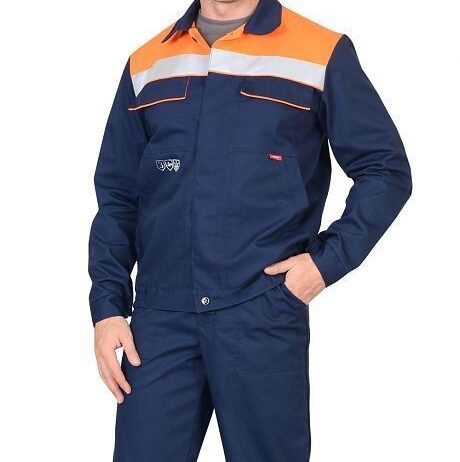
Choosing a Corporate Wear Supplier in Harare: DTF, Embroidery, or Sublimation?
Written by Donkudzie, Solid Arts Creativity Studio. Printing, branding, and signage in Harare since 2017.
Picking a corporate wear supplier is rarely about the shirt. It is about the method stitched or printed onto it.
Three decoration methods dominate the Harare market right now: DTF, embroidery, and sublimation. Each one changes how your branding looks, how long it survives the wash, and what it actually costs at your order size. Pick blind and you will find out the hard way, usually after the invoice is paid and the uniforms have already faded.
This guide breaks down what each method actually does, the questions worth asking before you sign off on a supplier, and why it pays to treat corporate wear as part of a bigger branding project rather than a standalone order.
What's actually different between DTF, embroidery, and sublimation?
Fabric and colour decide this before your logo does.
DTF (direct to film) prints your design onto a film, then heat presses it onto the fabric. It works on almost any fabric, cotton included, light or dark, and handles full colour artwork without extra cost.
Embroidery stitches thread directly into the fabric. It is the most durable of the three and reads as the most premium, but it is built for simple shapes and one to three colours, not fine detail.
Sublimation turns ink into a gas and bonds it permanently into synthetic fabric fibres under heat. The design becomes part of the fabric itself, so it never cracks, peels, or feels like a layer on top. The trade off is that it only works well on light coloured, polyester based fabric, which is why it shows up most on sports jerseys and all over printed polos rather than general corporate wear.
| Method | Best suited fabric | Durability | Logo complexity | Common use |
|---|---|---|---|---|
| DTF | Almost any fabric, cotton included, light or dark | Good with proper care | Handles full colour and fine detail well | General corporate wear, event shirts, mixed fabric orders |
| Embroidery | Most woven fabrics | Excellent, the most durable of the three | Best with simple, bold shapes, one to three colours | Client facing polos, jackets, premium uniforms |
| Sublimation | Light coloured, polyester based fabric only | Excellent, the design is part of the fabric | Handles full colour, all over designs well | Sports jerseys, all over printed polos, performance wear |
Which method actually fits your team?
Start with the fabric and the colour of the garment you are ordering, not the logo. Dark cotton polos rule out sublimation outright. A detailed, multi colour logo on a tight budget rules out embroidery. A full colour, all over design on a light polyester shirt is exactly where sublimation earns its place.
Then weigh it against who is wearing it. Client facing staff in simple, bold logo wear usually look best in embroidery. Everyone else, especially on a smaller order or a busier logo, is usually better served by DTF.
What should you ask a corporate wear supplier before you commit?
A few questions separate a supplier who knows their craft from one reading off a price list.
Which methods do they actually run in house, and which do they outsource? What is the real turnaround from approved design to uniforms in hand? Can they show you a sample on the actual fabric you are ordering, not a stock photo? And what happens if several shirts in a larger order come back with a flawed print, is that reprinted or is it your problem?
At Solid Arts, corporate wear is quoted and run in house, with a standard turnaround of 3 days from the moment you approve your design. Pricing depends on garment, method, and order size, so it is handled through a quick quote rather than a number that will not fit most orders.
Why treat corporate wear as part of one connected branding project?
A lot of Harare businesses order uniforms, signage, and print materials separately, from separate suppliers, on separate timelines. The result usually looks like it: a logo that is slightly different on the shirt than it is on the shopfront.
Bundling corporate wear with your signage and graphic design work keeps the same logo file, the same colours, and the same brand decisions running through everything your team wears and everything your storefront shows. If you have already settled on DTF or embroidery for your team, our DTF vs embroidery comparison goes deeper into the trade offs between those two specifically. And if packaging is part of the same rollout, our packaging guide covers that side of the decision too.
What should a full corporate wear order include?
A proper order covers more than picking a method. It includes garment sourcing, artwork preparation for whichever method you choose, the actual production run, and a quality check before anything reaches you. Ask what is included before you compare one quote against another, since a lower price that skips the quality check usually costs more later.
Frequently asked questions
What is the actual difference between DTF, embroidery, and sublimation for corporate wear?
DTF prints a film onto almost any fabric and handles full colour detail well. Embroidery stitches thread directly into the fabric and lasts the longest, but suits simple logos. Sublimation bonds dye into light coloured polyester fabric so the design never sits on top of it, which makes it the right fit for all over designs on the right fabric, not a general purpose option.
Which method should I choose for a small team of ten to twenty staff?
For a small order with a detailed or colourful logo, DTF is usually the most practical and affordable choice. If your logo is simple and your staff are client facing, embroidery is worth the extra cost for the longer lasting, more premium finish.
Does Solid Arts handle corporate wear in house?
Yes. Corporate wear at Solid Arts is quoted, designed, and produced in house, with a standard turnaround of 3 days from design approval to finished garments.
How much does a corporate wear order cost in Zimbabwe?
It depends on the garment, the method, and your order size, so a single published number would not be accurate for most orders. Request a quote with your specifics and you will get a real figure back.
Can corporate wear be branded to match my signage and packaging?
Yes, and it is worth doing deliberately rather than by accident. Keeping the same logo file and colours across your uniforms, signage, and packaging is what makes a brand look coordinated instead of assembled from separate orders.
Final Thoughts
The method you pick says less about the shirt than it does about how much thought went into your brand.
Match the method to the fabric and the person wearing it. Ask your supplier the questions that actually matter before you sign off. And let the rest of your brand, your signage, your packaging, your print materials, carry the same identity through.
Ready to figure out which method fits your team? Request a quote and we will walk you through it.